
dining room sideboard
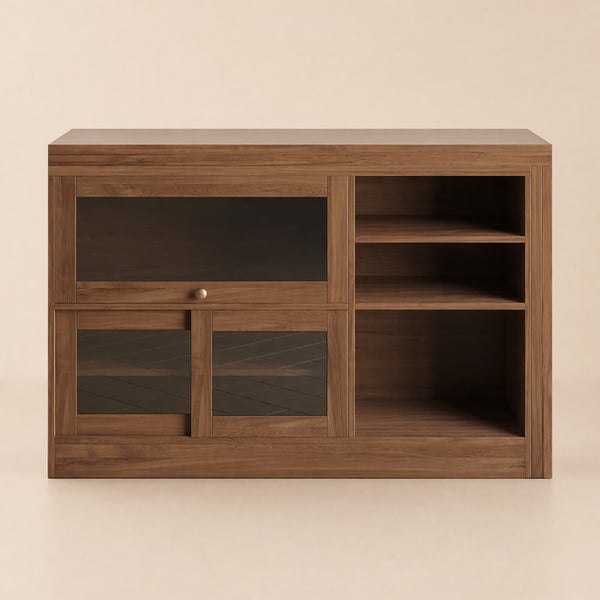
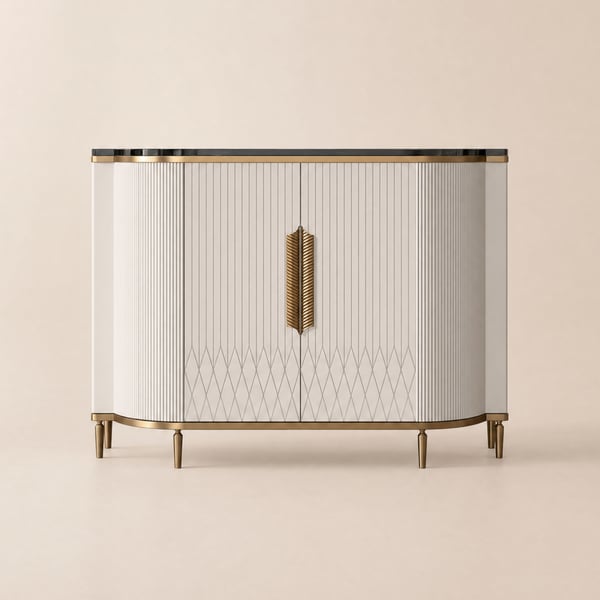
120 cm Faux Marble Sideboard

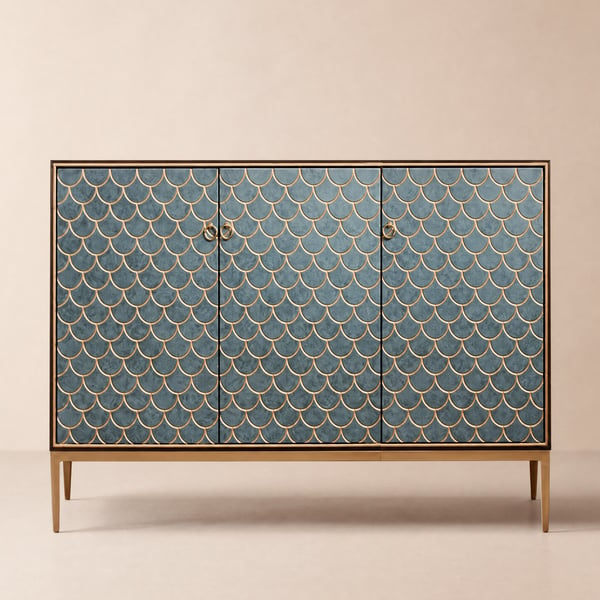
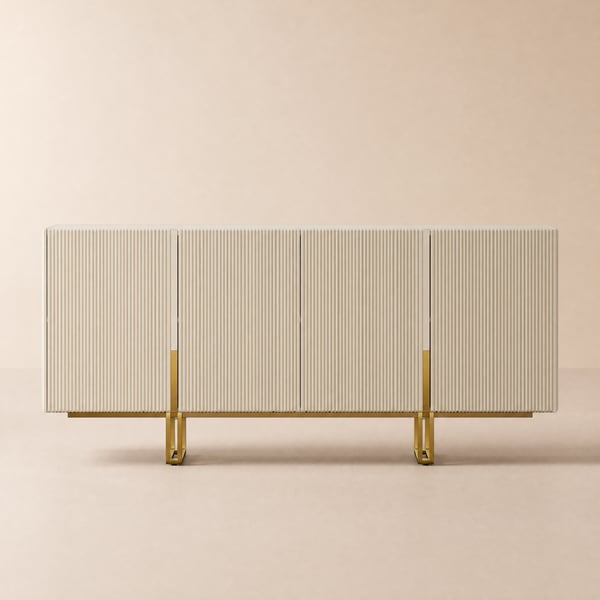
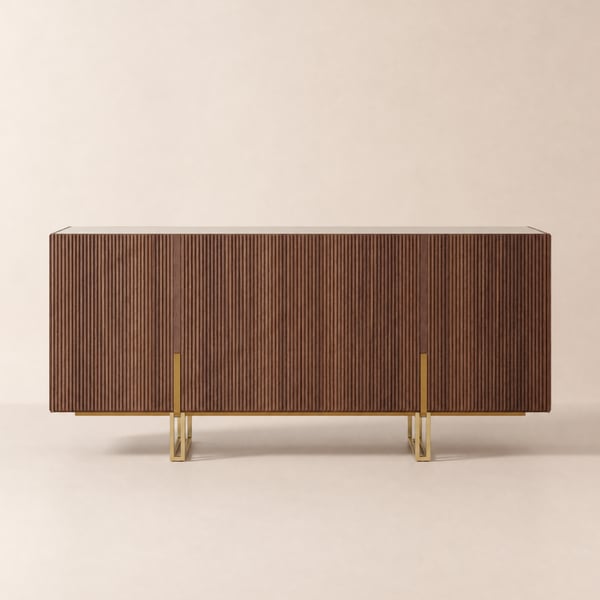
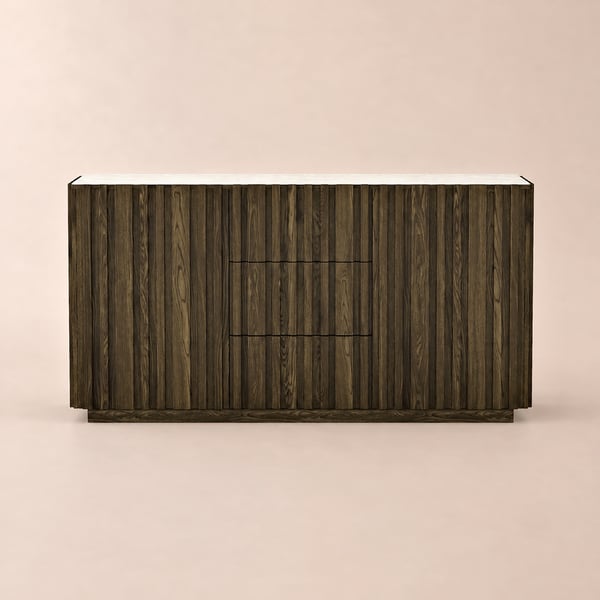
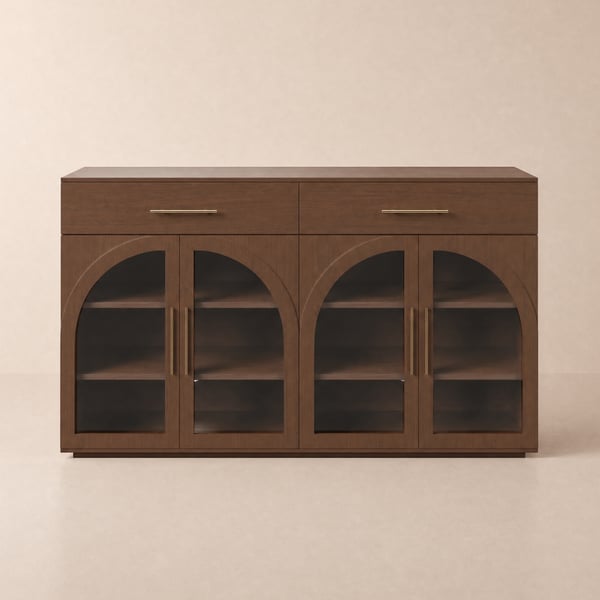
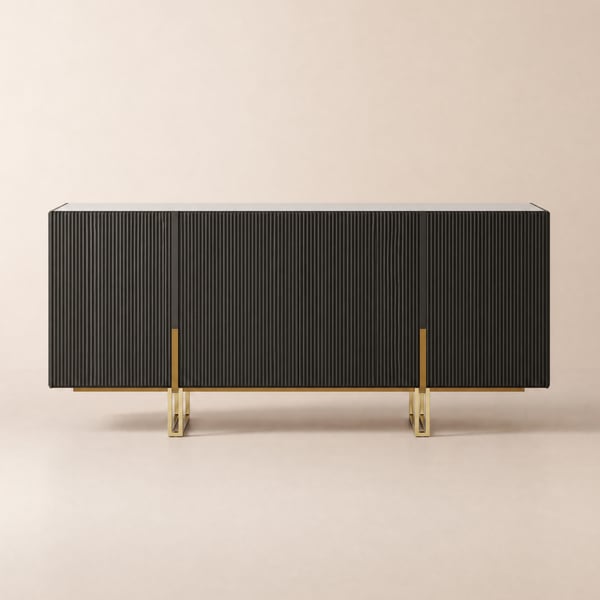

Lineva 163 cm Fluted Wood Sideboard
Larvo 152 cm LED Sintered Stone Sideboard
Yelly 140 cm Fluted Sintered Stone Sideboard
Lake 180 cm Wavy-Door Wood Sideboard
63" Fluted-Door Wood Sideboard
Questions & Answers
Q: What is worth verifying on a dining room sideboard product page?
A: Look for exact specs, finish notes, and included components. Examples such as 47" Faux Marble Sideboard show how those details are presented. Confirm the same specs under consistent lighting before deciding.
Q: How do I choose the right dining room sideboard for my space?
A: Start with measurements and daily use, then compare finish and material. Fit and function should lead style. Keep the shortlist tight around one practical priority.
Q: How should material influence my decision?
A: Use material to keep the room cohesive—options often include wood, metal, stone. Avoid introducing too many competing tones. Prefer the option you can maintain on a normal weekday.
Q: What practical checks should I make before buying dining room sideboard?
A: Reconfirm dimensions, materials, and care needs against your room plan. Photos alone rarely show day-to-day trade-offs. Keep the shortlist tight around one practical priority. Recheck the product specs once more before checkout.
Q: What finish options matter most for dining room sideboard?
A: You will commonly see Warm White, Glossy Pandora, Sand. Pick the direction that matches maintenance habits and nearby finishes. If two options remain close, choose the easier-care finish.
Find Your Ideal Dining Room Sideboard with Our Expert Shopping Guide
Choosing the right dining room sideboard starts with fit, function, and finishes you can maintain. Compare finish and material against real room measurements and daily habits, not only catalog photos. Lock proportions first, then refine materials and style. Below, we unpack the attributes that matter most for Dining Room Sideboard. Focus on how the piece will work on a busy weekday, not only how it looks in staged photos. A short measurement check now usually prevents returns and awkward walkways later. Write down one non-negotiable constraint before you fall for a photo-only favorite.
Finish Options That Hold Up Over Time
Shoppers comparing dining room sideboard often start with finish because it changes daily use quickly. Current options include Warm White, Glossy Pandora, Sand. Compare them against your room routine and maintenance habits, not only against mood-board photos. Decide whether you need concealed storage or display-friendly open shelves. Measure delivery paths before committing to a wide unit. Pro Tip: Open shelves style easily but demand tidier habits than closed storage.
Material Choices for Durable Dining Room Sideboard
For Dining Room Sideboard, material usually separates a good fit from a frustrating one. Current options include wood, metal, stone. Compare them against your room routine and maintenance habits, not only against mood-board photos. Decide whether you need concealed storage or display-friendly open shelves. Measure delivery paths before committing to a wide unit. A useful reference is the 47" Faux Marble Sideboard, which shows how this attribute appears in a complete product.
Choosing the Right Size for Dining Room Sideboard
For Dining Room Sideboard, size usually separates a good fit from a frustrating one. Available directions such as compact, standard, large can look similar online, so judge them by durability, proportion, and week-to-week care. Decide whether you need concealed storage or display-friendly open shelves. Measure delivery paths before committing to a wide unit. You can also compare details with the Grovyn 63" Fluted Sintered Stone Sideboard when you want a second real example.
Color and Finish Ideas for Dining Room Sideboard
For Dining Room Sideboard, color usually separates a good fit from a frustrating one. Current options include neutral, black, white. Compare them against your room routine and maintenance habits, not only against mood-board photos. Decide whether you need concealed storage or display-friendly open shelves. Measure delivery paths before committing to a wide unit. When two dining room sideboard options look similar, compare construction details and care notes under the same lighting. Build a shortlist of two or three candidates and review them against the same wall line or seating group. If the room already has strong pattern, let the dining room sideboard stay calmer; if surroundings are quiet, a richer tone can add focus. Recheck one practical constraint—doorway clearance, ceiling height, or adjacent furniture—before you finalize the shortlist. A slightly simpler silhouette is often easier to style and maintain, especially in compact rooms with mixed furniture.
Key Considerations Before Buying Dining Room Sideboard
- Decide closed vs open storage based on how tidy the room stays day to day.
- Anchor tall units and keep heavier items lower.
- Measure delivery path and final wall span before choosing width/height.
A confident dining room sideboard choice balances space, materials, and everyday function. Recheck dimensions, delivery access, and care needs, then shortlist pieces that stay easy to live with week after week. When ready, browse related options in Homary Furniture and compare details side by side before you commit. Keep one clear priority so the final pick stays focused. If two options remain close, choose the easier-care finish for real daily use.